


STEM & Ultimate Challenge Day
.
Ultimate Frisbee Challenge Day
The Ultimate resources STEM Crew have produced are a great way to create a day that combines sport and STEM into an engaging and fun set of sessions. We’ve created a 4 session programme to help you best utilise these resources and engage with Ultimate Frisbee.

Share


For immediate access to all of our free Key stage 3 and 4 STEM teaching resources.
 1.STEM Challenge Day
 2.UK Ultimate: What is the challenge league?
Related Resources

Sustainable Motor Sports
Your classroom just got a pit crew. 🏁
Designed for KS3 Physics, science teachers, DT teachers. We’ve partnered with the National Motor Museum to ask one big question: can motorsport help create a more sustainable future for transport?
Spoiler: yes. And your students are about to find out why.
Four FREE challenges for KS3 — built around the real science behind electric racing, lightweight materials and clean energy innovation.
Students build. Test. Debate. Go again.
Because the engineers solving tomorrow’s transport problems are sitting in classrooms today. Maybe yours.

Materials – Practical Investigation
This isn’t a materials lesson. This is your students in the design room of an America’s Cup team — examining the real materials used on a race boat, making the same decisions real engineers make, then building and testing their own design under race conditions.
Carbon fibre chosen for its strength-to-weight ratio. Dyneema selected because saltwater won’t destroy it. Aluminium honeycomb because a solid sheet would never leave the dock. Every decision backed by science. Every choice a lesson in engineering thinking.
New Fuels
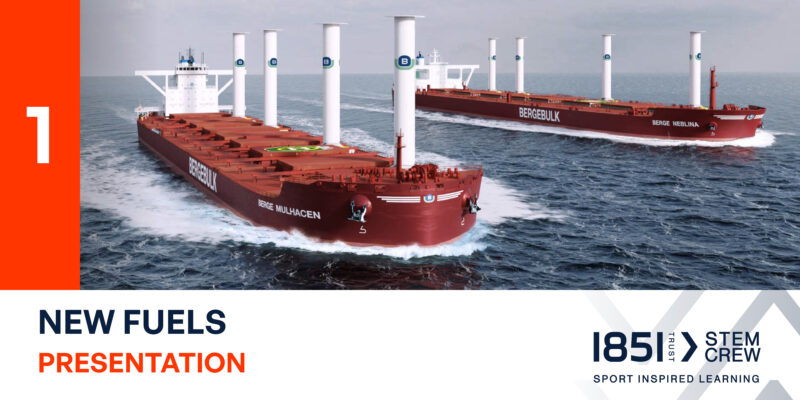
Students will explore the exciting world of New Fuels through a real-life context inspired by Berge Bulk ships and the world of sports, in a three-lesson (3 hours of teaching) PowerPoint series rigorously aligned with the national curriculum.
Renewables 11-18
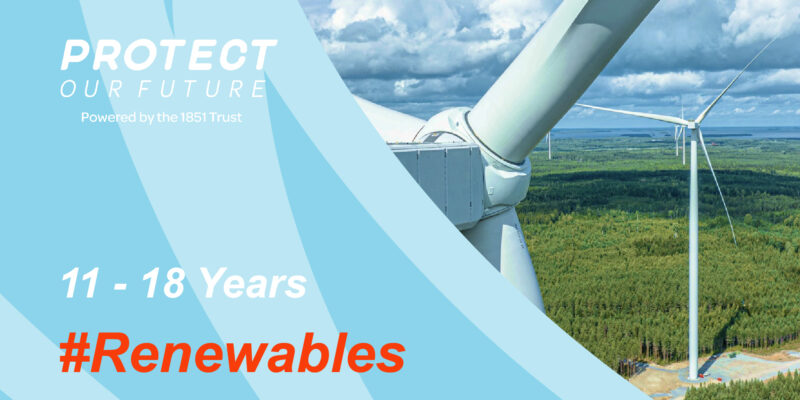
In this lesson, pupils will learn about renewable energy sources using the exciting context of Sail GP. The lesson will teach pupils to evaluate different sources of renewable and clean energy.
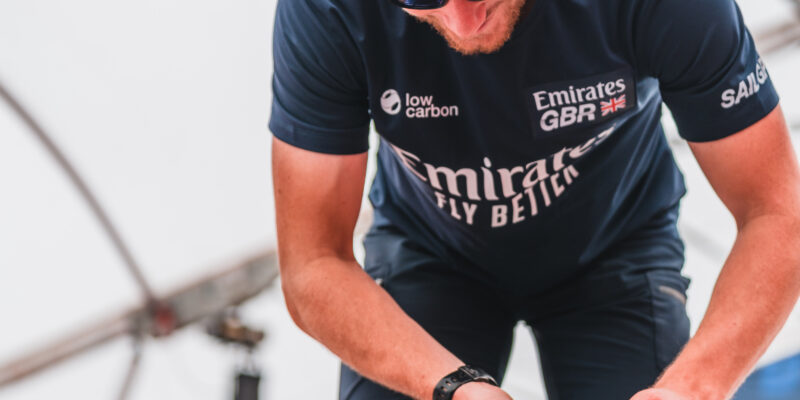
They will learn how renewable energy is implemented in a real-world scenario, using a case study of the Low Carbon installation at the team base of the Emirates GBR Sail GP sailing team. Pupils will be challenged to use their knowledge to plan their own renewable installation at various locations around the world.

Investigating forces
This resource integrates physics and engineering principles, bringing real-world maritime challenges into the classroom, making it perfect for STEM students interested in design, technology, and physics!
HYDROGEN CHASE BOAT
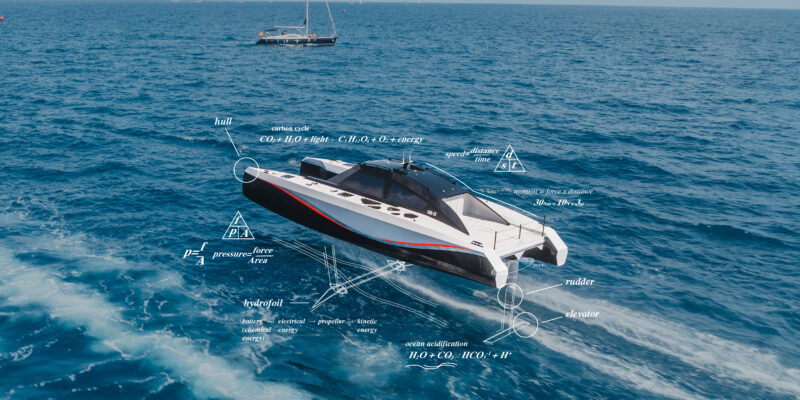
Discover how the British America’s Cup team is using Hydrogen to power their chase boat, eliminating harmful emissions and driving innovation in the marine industry to design and develop Hydrogen as a clean energy source for their industry.
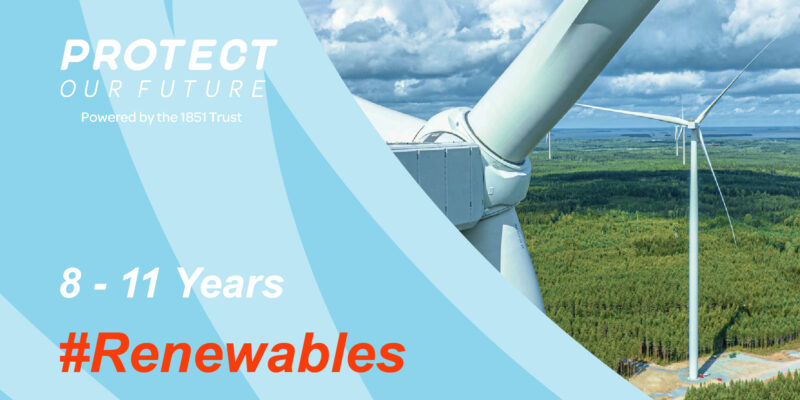
Renewables 8-11
Key Stage 2 and 3 – teaches pupils about topics such as climate change, use of natural resources and the impact of human actions on the environment in the science programmes of study.
This includes study of renewable and non-renewable energy sources in physics and the efficacy of recycling in chemistry. This enables students to study topics that will support their understanding of energy resources, including the impact of technology on developing sustainable sources of energy.
These resources consist of a teacher Powerpoint slide deck, with notes embedded in the slides. There are printable activity sheets comprising of:
•Event map
•Renewable energy information posters
•Event Location Cards
•Renewable energy choices worksheet
In addition there are video links embedded within the slides to bring this topic to life.



Calculating The Power of The Wind
Explore the concept of power using the context of the super-fast SailGP GBR catamaran and the cutting-edge technology of wind turbines. Students will have the chance to build a working model wind turbine and use their new knowledge of calculating power to build the most efficient design. There is also the chance to find out from SailGP GBR sailors and wind industry experts about their fields and careers. The sustainable recycling process of wind turbines is also considered giving students the opportunity to come up with their own solutions.



Bearings
.


Viruses
.




Code for the Cup
Can your students cross the start line without jumping the gun?
That’s the challenge at the heart of this three-lesson Computing unit — and it’s a real one. Using the high-stakes drama of an America’s Cup race start as the hook, students code a foiling race boat to hit the start line as close to the gun as possible. Too early? Penalty. Too late? Race lost.
It’s tense. It’s competitive. It’s secretly brilliant for teaching code.
Across the three lessons, students will:
Break a real-world problem into logical steps (hello, computational thinking)
Sequence code blocks to build a working programme
Test, debug, and refine — because “good enough” doesn’t win races
What you get: Three fully editable lesson presentations with teacher notes, ready-to-go guidance for deeper exploration, and a Google Classroom link to share everything with students in seconds.
No sailing experience required. Competitive spirit: optional but encouraged.


