


STEM & Sailing Challenge Day
Learning Objectives
- Allow students to explore the role of an INEOS TEAM UK designer and put their STEM skills to the test.
- Develop teamwork and social interaction skills though group based projects
- Take part in an investigation to find out what goes into putting together an America’s Cup team
Lesson Description
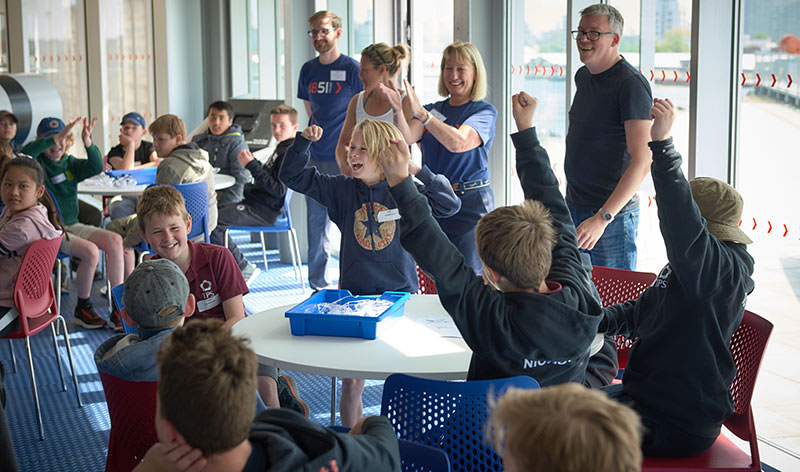
Welcome your students back with our STEM Theme Day. Designed for 11-14 year-olds, this new resource includes everything you need to collapse your timetable to investigate 3 ‘Big Questions’. Students will put themselves in the shoes of INEOS TEAM UK members and take on fun activities such as designing a prototype sailor’s water bottle.
With Special thanks to Debby Johnson, STEM Co-ordinator and Biology Teacher at Sunbury Manor School who compiled this resource.

Share


For immediate access to all of our free Key stage 3 and 4 STEM teaching resources.
 1.America's Cup Theme Day
Bring the excitement of the America’s Cup to your school
 2.Activity Sheet
What Clothes are suitable for sailing?
 3.Activity Sheet
Team Judging grid
4.Activity Sheet
Diet and training for sailors
Related Resources

Sustainable Motor Sports
Your classroom just got a pit crew. 🏁
Designed for KS3 Physics, science teachers, DT teachers. We’ve partnered with the National Motor Museum to ask one big question: can motorsport help create a more sustainable future for transport?
Spoiler: yes. And your students are about to find out why.
Four FREE challenges for KS3 — built around the real science behind electric racing, lightweight materials and clean energy innovation.
Students build. Test. Debate. Go again.
Because the engineers solving tomorrow’s transport problems are sitting in classrooms today. Maybe yours.
Linear and Circular Economies
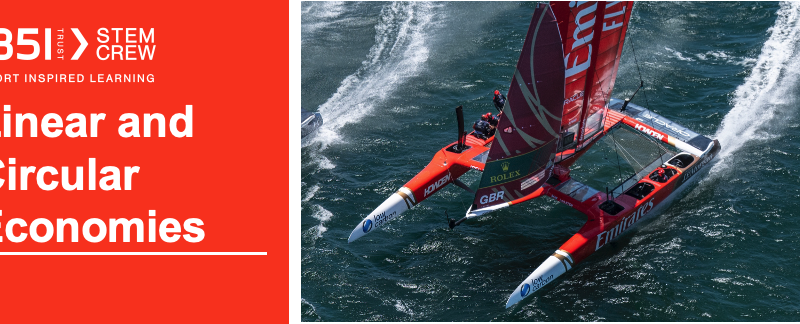
What happens to the things we throw away — and what if nothing had to be wasted at all? This hands-on lesson uses Emirates GBR SailGP Team as a real-world case study to bring the circular economy to life. Students explore the difference between linear and circular systems, investigate how a world-class sailing team is rethinking waste from kit to equipment, and design their own Circular Economy Action Plan as sustainability managers for the team.
Packed with discussion tasks, a real industry case study, and a creative group challenge.
Materials – Practical Investigation
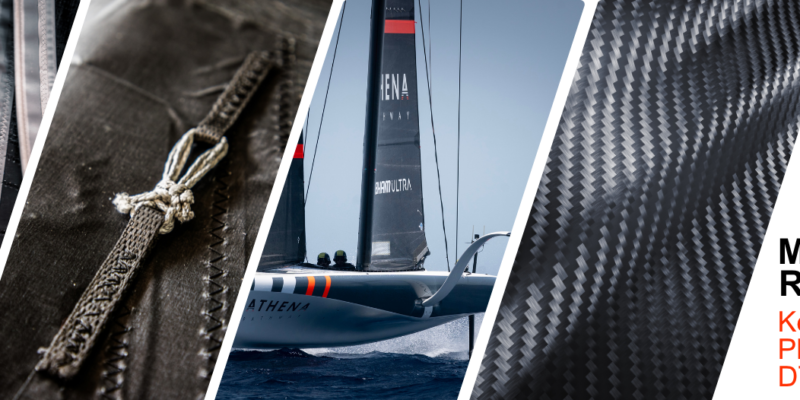
This isn’t a materials lesson. This is your students in the design room of an America’s Cup team — examining the real materials used on a race boat, making the same decisions real engineers make, then building and testing their own design under race conditions.
Carbon fibre chosen for its strength-to-weight ratio. Dyneema selected because saltwater won’t destroy it. Aluminium honeycomb because a solid sheet would never leave the dock. Every decision backed by science. Every choice a lesson in engineering thinking.
New Fuels
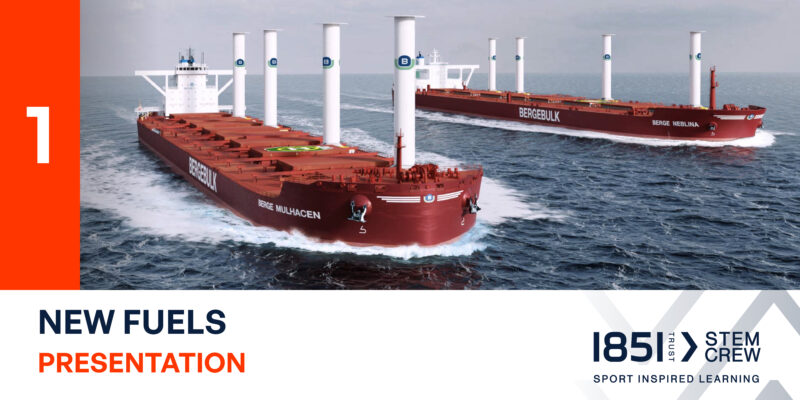
Students will explore the exciting world of New Fuels through a real-life context inspired by Berge Bulk ships and the world of sports, in a three-lesson (3 hours of teaching) PowerPoint series rigorously aligned with the national curriculum.

Investigating forces
This resource integrates physics and engineering principles, bringing real-world maritime challenges into the classroom, making it perfect for STEM students interested in design, technology, and physics!


Calculating The Power of The Wind
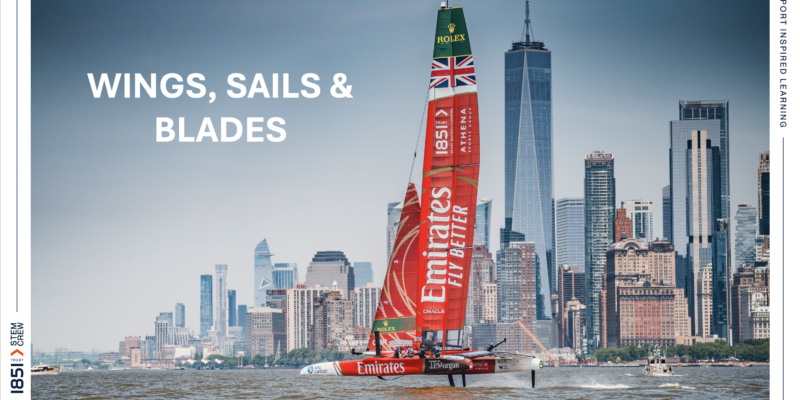
Explore the concept of power using the context of the super-fast SailGP GBR catamaran and the cutting-edge technology of wind turbines. Students will have the chance to build a working model wind turbine and use their new knowledge of calculating power to build the most efficient design. There is also the chance to find out from SailGP GBR sailors and wind industry experts about their fields and careers. The sustainable recycling process of wind turbines is also considered giving students the opportunity to come up with their own solutions.



Bearings
.


Viruses
.




Code for the Cup
Can your students cross the start line without jumping the gun?
That’s the challenge at the heart of this three-lesson Computing unit — and it’s a real one. Using the high-stakes drama of an America’s Cup race start as the hook, students code a foiling race boat to hit the start line as close to the gun as possible. Too early? Penalty. Too late? Race lost.
It’s tense. It’s competitive. It’s secretly brilliant for teaching code.
Across the three lessons, students will:
Break a real-world problem into logical steps (hello, computational thinking)
Sequence code blocks to build a working programme
Test, debug, and refine — because “good enough” doesn’t win races
What you get: Three fully editable lesson presentations with teacher notes, ready-to-go guidance for deeper exploration, and a Google Classroom link to share everything with students in seconds.
No sailing experience required. Competitive spirit: optional but encouraged.


