


ActOn Waste Plastic
Learning Objectives
- Increase knowledge of different types of plastics and their uses in sports and everyday life.
- Increase awareness of the impact of single use plastics on the environment.
- Increase knowledge of the role of the United Nations to set targets and guidance to tackle climate change.
- Get ready to plan and take action to reduce waste plastic.
- Consider how you can use your voice to advocate and engage others to act to reduce waste plastic.
Lesson Description
Teaching about the impact of single use plastics?
This resource explores where we use plastic in everyday life, and in sport. It then looks at single use plastics, and challenges students to consider how they can take action to reduce waste plastic at school, at home or in the wider community.
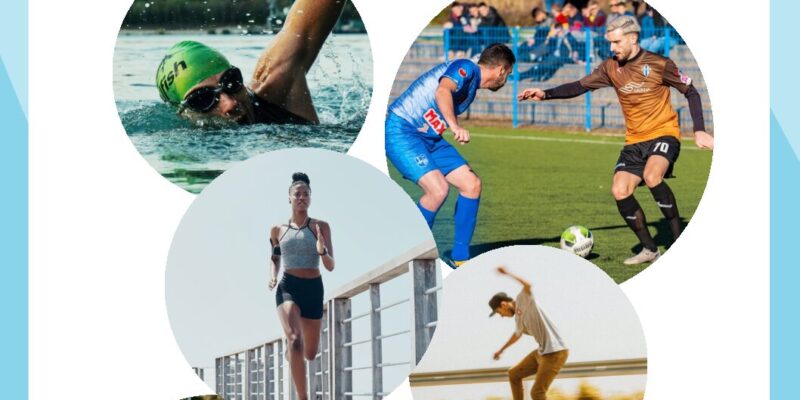
The PowerPoint helps students build knowledge of the different types of plastics and where plastics are used in sports and everyday life. They’re asked to consider how waste plastic can have an impact on the land, water and air, and they’re then asked to think about actions they could take to reduce plastic waste . They’ll need to consider how they can measure their progress, and how they can use their voice to advocate and engage others with their positive climate actions.
Hannah Mills OBE, a member of The Emirates Great Britain SailGP team shares how she’s pledged to take positive climate action and showcases how she’s using her platform to drive others to help reduce waste plastic.
View more resources at stemcrew.org/protect-our-future
Share


For immediate access to all of our free Key stage 3 and 4 STEM teaching resources.
 1.Teaching resource
This resource explores how we use plastics everyday and in sport, and looks at the environmental impact of single use plastics
1.Teaching resource
This resource explores how we use plastics everyday and in sport, and looks at the environmental impact of single use plastics
 2.Teacher guidance notes
Use these notes to help you deliver a lesson using the teaching resource
2.Teacher guidance notes
Use these notes to help you deliver a lesson using the teaching resource
 3.Activity sheets
Printable student resource
3.Activity sheets
Printable student resource
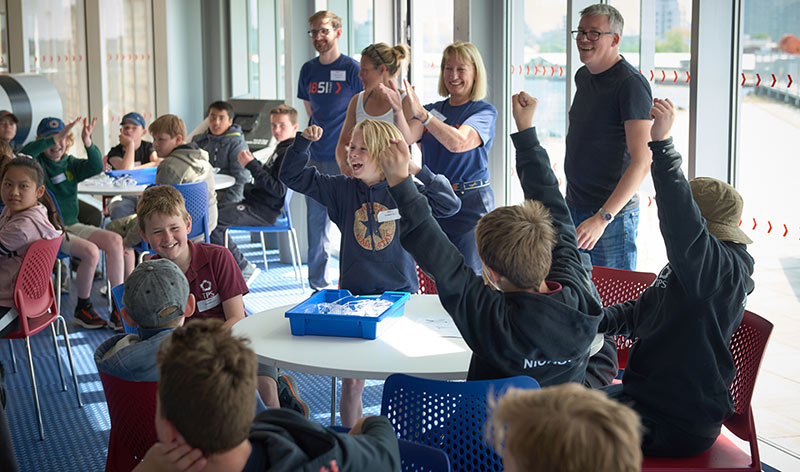
#Act On Waste Plastic has been designed to support teachers working with students aged 8-14years, but activities can be adapted if working with younger or older students. The materials can be delivered as part of the formal school curriculum, through school assemblies, tutorial time and/or as a cross-curricular enrichment activity.
#Act On Waste Plastic engages young people to learn about the impact of plastics on the environment and to gain inspiration from sportspersons taking climate action before planning their own waste plastic campaign.
The materials can be integrated into the following National curriculum areas in England:
- Citizenship: Pupils will, meet and talk with people (for example, people who contribute to society through environmental pressure groups or international aid organisations.
- Design and Technology: Pupils will, understand developments in design and technology, its impact on individuals, society and the environment, and the responsibilities of designers, engineers, and technologists.
- Geography: Pupils will, understand how human and physical processes interact to influence, and change landscapes, environments, and the climate.
- Science: Pupils learn about earth and atmosphere, including the production of carbon dioxide by human activity and the impact on climate.
Whilst the materials meet National Curriculum requirements for schools in England, the materials can be adapted for use elsewhere.
The resourced is designed to support teaching about plastic usage and the impacts of single use plastic.
Related Resources
Diversity, Equality and Inclusion – Workshop 3
Students will embark on an engaging exploration of Diversity, Equality, and Inclusion (DEI) through the inspiring world of SailGP. Using real-world examples from elite athletes and change-makers in the sport, students will investigate the impact of stereotypes, the significance of the Equality Act, and the role they can play in fostering an inclusive environment. Through interactive activities and thought-provoking discussions, they will develop critical thinking and communication skills while reflecting on how diversity and inclusion shape our communities. These dynamic sessions empower students to become active participants in creating a more equitable and inclusive society.

Diversity, Equality and Inclusion – Workshop 2
Students will embark on an engaging exploration of Diversity, Equality, and Inclusion (DEI) through the inspiring world of SailGP. Using real-world examples from elite athletes and change-makers in the sport, students will investigate the impact of stereotypes, the significance of the Equality Act, and the role they can play in fostering an inclusive environment. Through interactive activities and thought-provoking discussions, they will develop critical thinking and communication skills while reflecting on how diversity and inclusion shape our communities. These dynamic sessions empower students to become active participants in creating a more equitable and inclusive society.

Diversity, Equality and Inclusion – Workshop 1
Students will embark on an engaging exploration of Diversity, Equality, and Inclusion (DEI) through the inspiring world of SailGP. Using real-world examples from elite athletes and change-makers in the sport, students will investigate the impact of stereotypes, the significance of the Equality Act, and the role they can play in fostering an inclusive environment. Through interactive activities and thought-provoking discussions, they will develop critical thinking and communication skills while reflecting on how diversity and inclusion shape our communities. These dynamic sessions empower students to become active participants in creating a more equitable and inclusive society.
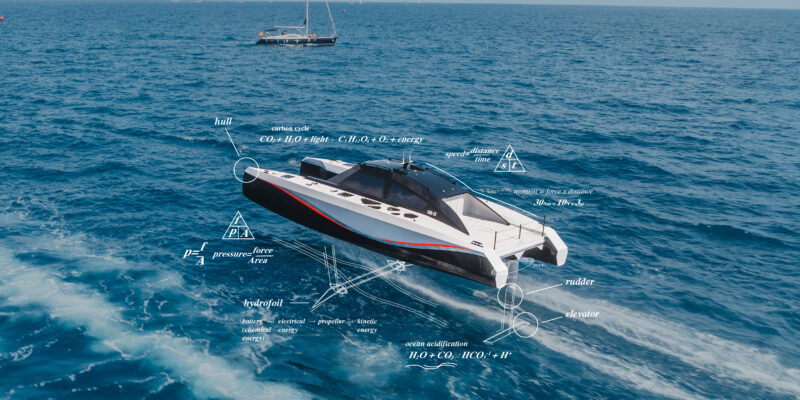
HYDROGEN CHASE BOAT
Discover how the British America’s Cup team is using Hydrogen to power their chase boat, eliminating harmful emissions and driving innovation in the marine industry to design and develop Hydrogen as a clean energy source for their industry.

The Power of Movement
Phase III of the INEOS Go Humans Academy ushers in a dynamic blend of athleticism and artistry, focusing on the raw energy of the New Zealand All Blacks and the kinetic power of dance led by renowned choreographer Sherrie Silver.
This series, titled “The Power of Movement” is designed to demonstrate how intentional movement can bridge the gap between mental resilience and optimised performance. Throughout this engaging five-minute masterclass series, participants will discover how to transform challenges into victories, merging the rigour of sport with the rhythm of dance to supercharge mental and physical wellbeing. Above all, this is an opportunity to hear from athletes at the top of their game and to gain some insight into what it takes to be the best.





Heart Rate And Recovery – Biology Learning Resources
In this Biology resource we use the England Women’s football team to build understanding of heart rate and recovery, and why it is important in sport. Students will use practical activities to test their knowledge of their own heart rate and the time it takes for it to return to resting/normal following exercise. Watch the short starter film to kick off your lesson and hear from England player Jess Carter, and some of the England support team, about the team’s training regime.


Viruses
.